Our EYFS
|
|
|
|
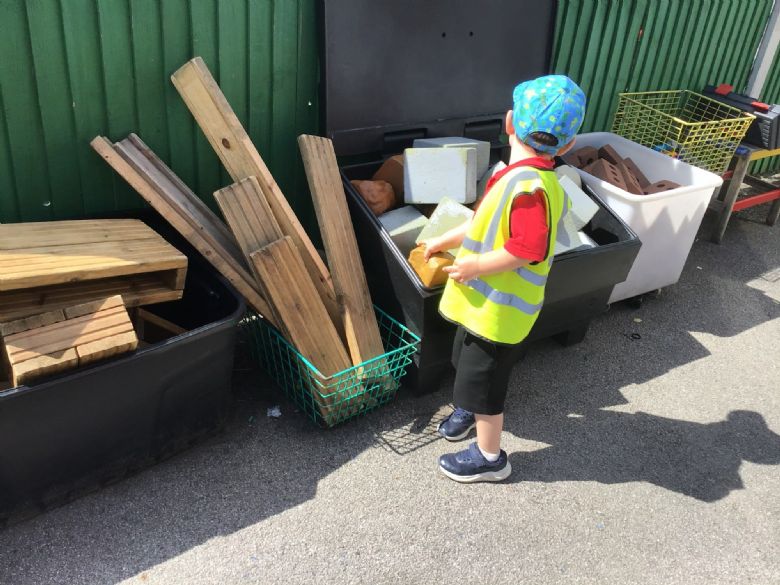
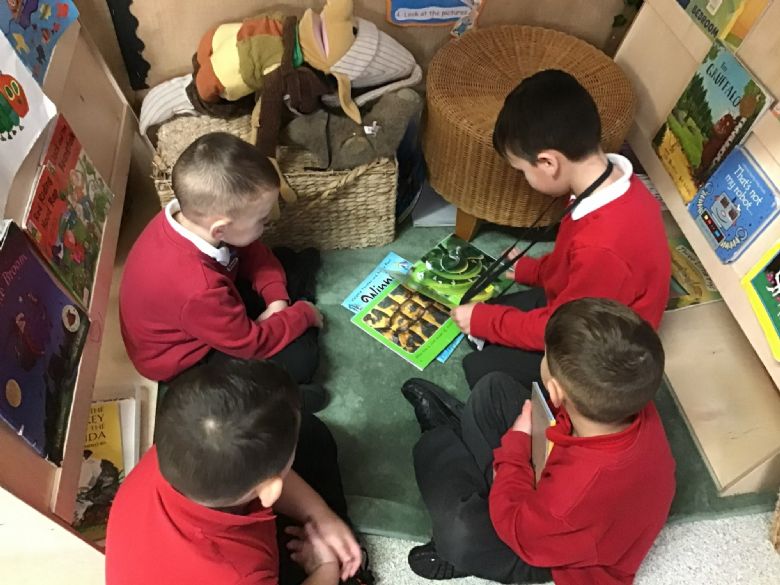
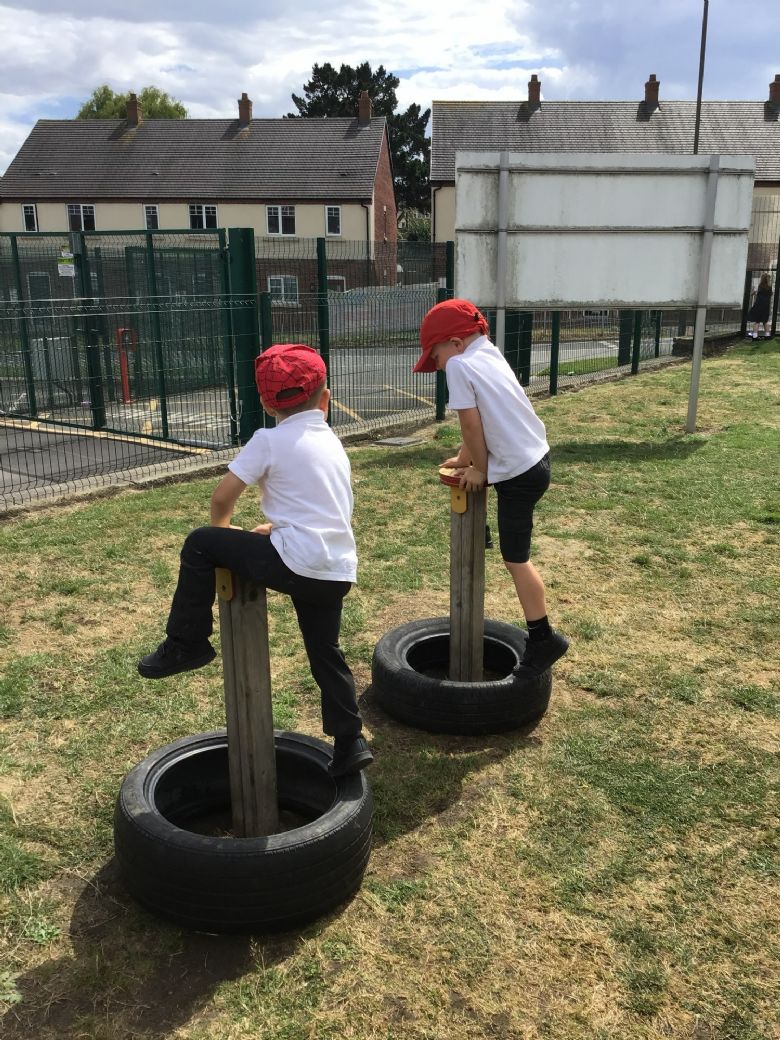
 Welcome to the Early Years Foundation Stage Page...
At Cotmanhay Infant and Nursery school, we aim to create a safe, nurturing, inspiring environment where children feel valued, confident and ready to learn. Our team consists of highly experienced, long-serving staff members. Our Early Years curriculum is delivered through a balance of high‑quality direct teaching, purposeful play and carefully planned continuous provision inside and outside. We follow the guidance in the following documents:
Developmental Matters Non- Statutory Guidance for the EYFS
Birth to Five Matters 2021 Non-Statutory Guidance 0-5 yrs
Staff have a secure understanding of child development and use this knowledge to provide learning experiences that are ambitious, engaging and appropriately challenging. Teaching is purposeful, interactions are intentional to promote independence, exploration and sustained engagement.
We understand that we are legally required to comply with certain welfare requirements as stated in the Statutory Framework for the Early Years Foundation Stage: Statutory EYFS Guidance
Our Early Years Foundation Stage is made up of the following (please click on the links to the right to find out more about each one):
Three reception classes with a teacher and teaching assistant in each class.
A 52 place nursery fr 3-4 year olds called the Bears Nursery, with a teacher and three highly qualified teaching assistants.
A 16 place nursery for 2-3 year olds called the Cubs Nursery with four highly qualified teaching assistants (one of whom holds a CACHE Level 4 Certificate in Early years and is currently completing a level 5 Advanced Practitioner qualification).
Our AIM is to:
- Give every child the strongest possible start by nurturing their curiosity, independence and a love of learning.
- Provide equality of opportunity and anti-discriminatory practice, ensuring that every child is included and supported.
- Promote the good health, including oral health, of children attending our setting and follow the guidance in the EYFS Nutritian Guidance: DFE EYFS Nutrition Guidance (Children in our Cubs nursery brush their teeth daily following the SMILE project).
- Deliver a curriculum which is well-designed so that children’s knowledge and skills build cumulatively and securely.
- Ensure children learn more, remember more and embed the most important aspects in their long-term memory.
- Use the latest research to ensure all our staff have the knowledge and skills to meet the needs of ALL children, recognising that every child is unique with different needs and different starting points.
- Have the highest expectations to inspire children to believe in themselves to reach their full potential.
- Ensure that children’s experiences in the early years provides them with the foundational knowledge, self-regulation and resilience so they feel ready to tackle their future learning with enthusiasm and confidence.
- Ensure that no learning time is wasted and all children receive high‑quality support matched to their level, enabling them to access the full curriculum. Any gaps in learning are identified and addressed quickly.
- Share stories to develop a love of books and to inspire learning in all areas.
- Provide a language-rich environment where staff prioritise communication and enrich language during every possible opportunity.
- Value, listen and respect parents as the child’s first and most enduring educators, offering support, advice and guidance.
- Ensure children transition into each stage seamlessly and confidently without wasting any learning time.
- For children to leave the EYFS with strong phonological awareness, early reading behaviours, writing skills, number sense and the social skills needed for successful transition into Year 1.
How we IMPLEMENT our intent:
- When children start our setting we complete comprehensive baseline assessments. This identifies each child’s individual starting points and any specific areas the child needs additional support to fully meet their needs.
- The ‘Zones of Regulation’ are used to help children develop the strategies to be able to self- regulate.
- A strong self-belief is firmly instilled in all children following the ‘Growth Mindset’ approach.
- We liaise closely with parents on DoJo and invite them for induction meetings (please see below to access the presentations) and a visit or ‘stay and play’ session. Two members of the early years team have completed the Togetherness/ Solihull Approach training which enables us to offer support to parents in the most sensitive and helpful way.
- We work closely with other agencies and the health visiting team to ensure we can support every child and parent in the best possible way. Staff meet termly with the health visitors to share updates.
- Staff use a wide variety of strategies to help children remember what they’ve learnt: working walls, talking partners, continuous encouragement to reflect and review learning experiences, displays, portfolios and floor books which reflect the learning over the term/ year.
- We closely track and monitor the progress children make in all areas of learning, particularly in the foundational skills. Data is collected every term and is analysed.
- Any gaps in learning are immediately addressed; children receive a variety of interventions to support their development, ensuring children with SEND or additional needs receive targeted support and adaptations.
- Staff complete a final report at the end of the year in the Bears Nursery, the Two Year Development report in the Cubs Nursery and in Reception at the end of the year. Each child’s next steps are shared regularly with parents.
- At the end of reception, children complete the EYFS Profile: EYFS Profile
- Activities are carefully planned and scaffolded to match each child’s developmental stage.
- Relevant children receive support with speech and language through using Every Child is a Talker (ECAT) intervention in our nurseries and Speech Link and NELI intervention in Reception.
- All staff have received ‘Word Aware’ training and follow the SHREC approach to support oracy development through high-quality interactions. Weekly oral story telling and structured conversations ensure vocabulary is taught explicitly.
- All children take part in high quality phonics sessions from the age of 2-5 years, following the Little Wandle scheme. Children have reading books that are closely matched to their phonic level. Reception children write words or captions dictated daily.
- Mathematics is taught using the White Rose Maths scheme. Reception and the Bears nursery complete the NCETM mastery sessions every day, which help children to build their memory for key maths facts and methods.
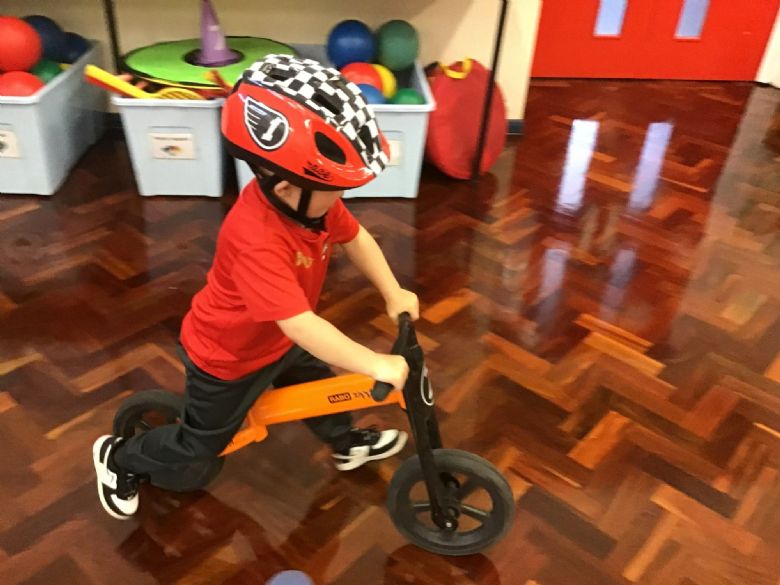
- Every opportunity is used to develop children’s fine motor and writing skills to enable children to form all letters correctly and write readable sentences by the time they finish reception. Writing opportunities are evident in all areas of continuous provision. Fine motor skills are developed through regular dough disco and finger gym activities. In nursery, Every Child a Mover (ECAM) intervention is used to support children who need it. Staff use the 'Squiggle: While You Wiggle' approach to develop mark-making skills. In reception, handwriting is taught daily; Widget symbols are used to scaffold writing, and the Drawing Club approach is used to inspire writing while developing oracy skills.
- Regular audits ensure the continuous provision and learning environments indoors and outdoors are continually adapted to ensure they enable children to revisit, practise and deepen learning, promote exploration and develop purposeful play.
- Our sequenced curriculum and topics build progressively, ensuring children revisit and deepen key concepts. sequenced learning experiences.
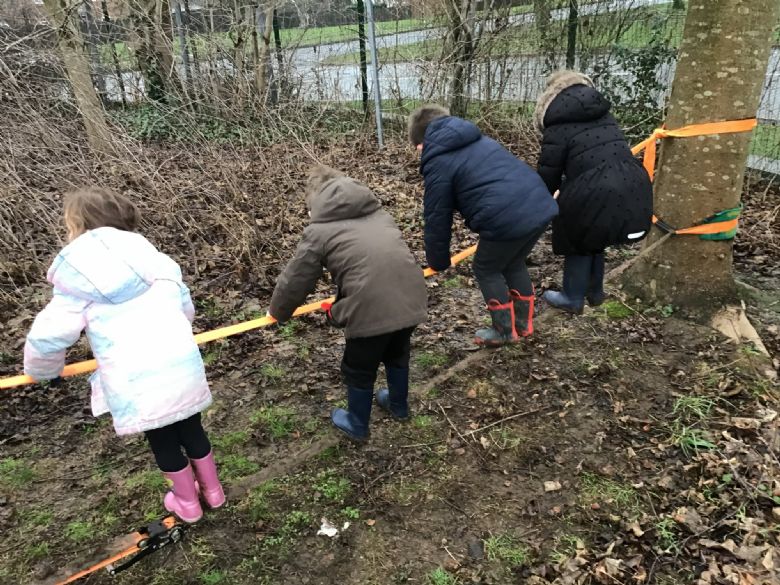
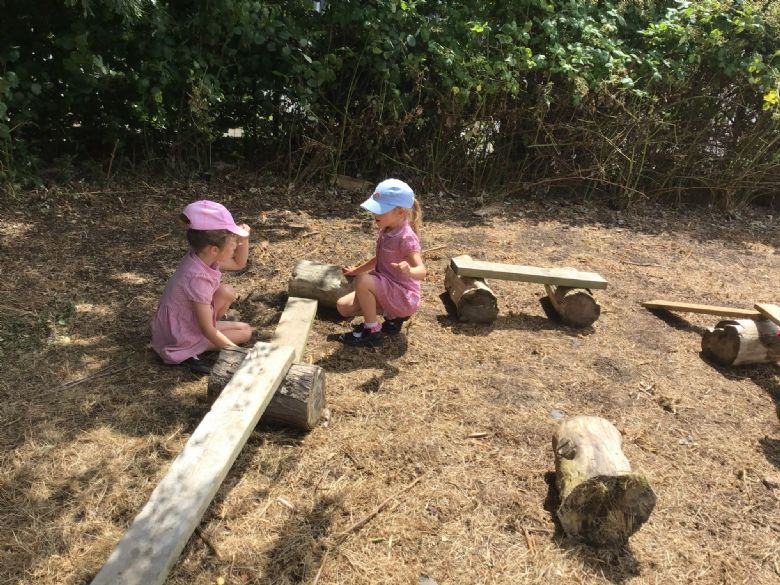
- Our curriculum is enhanced through regular Forest Schools visits, trips and walks around the community.
- Staff work very closely to plan transition visits between our nurseries, into Reception and then into year 1, sharing all foundational assessment information to ensure needs are met and no learning time is lost.
Evidence of our IMPACT:
- Assessment data from tracking all foundational skills shows the majority of children make rapid progress, including disadvantaged pupils and those with SEND.
- Attainment data shows most children achieve a good level of development, with our disadvantaged children achieving better than national expectations in most areas.
- Parent questionnaires show that families feel happy and supported by our school; parents in our nurseries report that the setting has transformed their lives.
- The DFE Contextual report shows our school achieves better than other similar schools.
- Children’s questionnaires show evidence that they feel happy, secure, safe and enjoy coming to school.
- Observations and monitoring show:
Children demonstrating a high level of resilience and can self-regulate using the strategies learnt from the ‘Zones of Regulation’.
Children demonstrate curiosity, problem‑solving, and the ability to sustain attention in play and adult‑led tasks.
Staff use skilled questioning, sustained shared thinking, and rich language to extend learning.
Children remember what they’ve learned and can use new vocabulary confidently.
By the end of the Early Years, most children at Cotmanhay Infant and Nursery School are well‑prepared, confident and equipped with the foundational skills needed to thrive in Key Stage 1 and beyond.
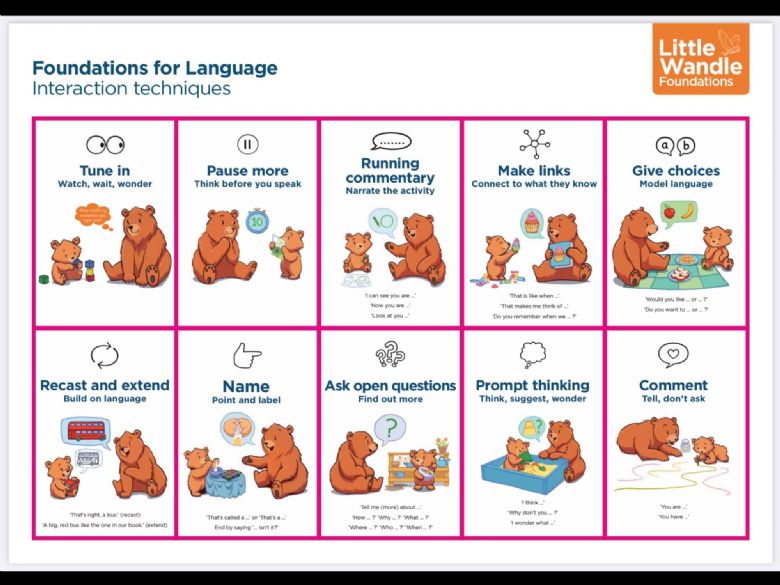
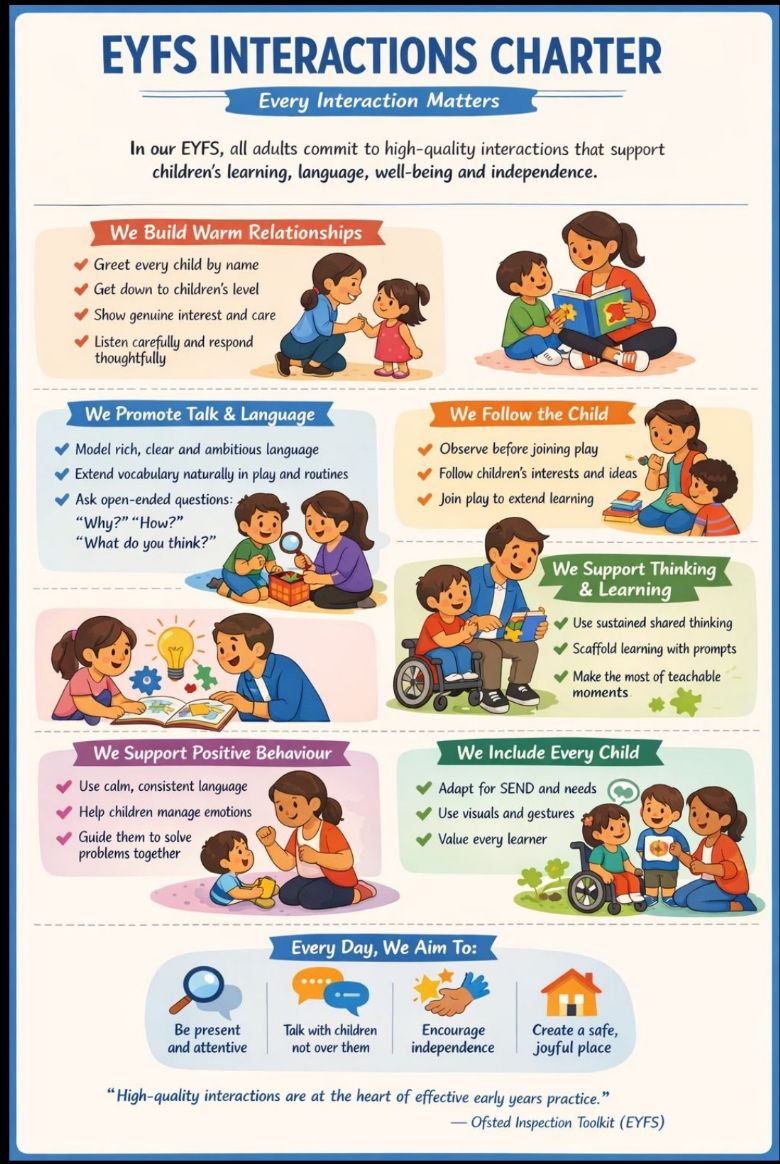
ALL ADULTS IN THE EYFS FOCUS ON HIGH QUALITY INTERACTIONS TO HELP DEVELOP COMMUNICATION AND LANGUAGE:
Starting our settings
We have created several PowerPoints regarding your child starting each of our settings. Please click on the appropriate image to view these. We hope you find this informative. Any questions, please do not hesitate to get in touch, we will be happy to help.
Starting Cubs
Starting Bears
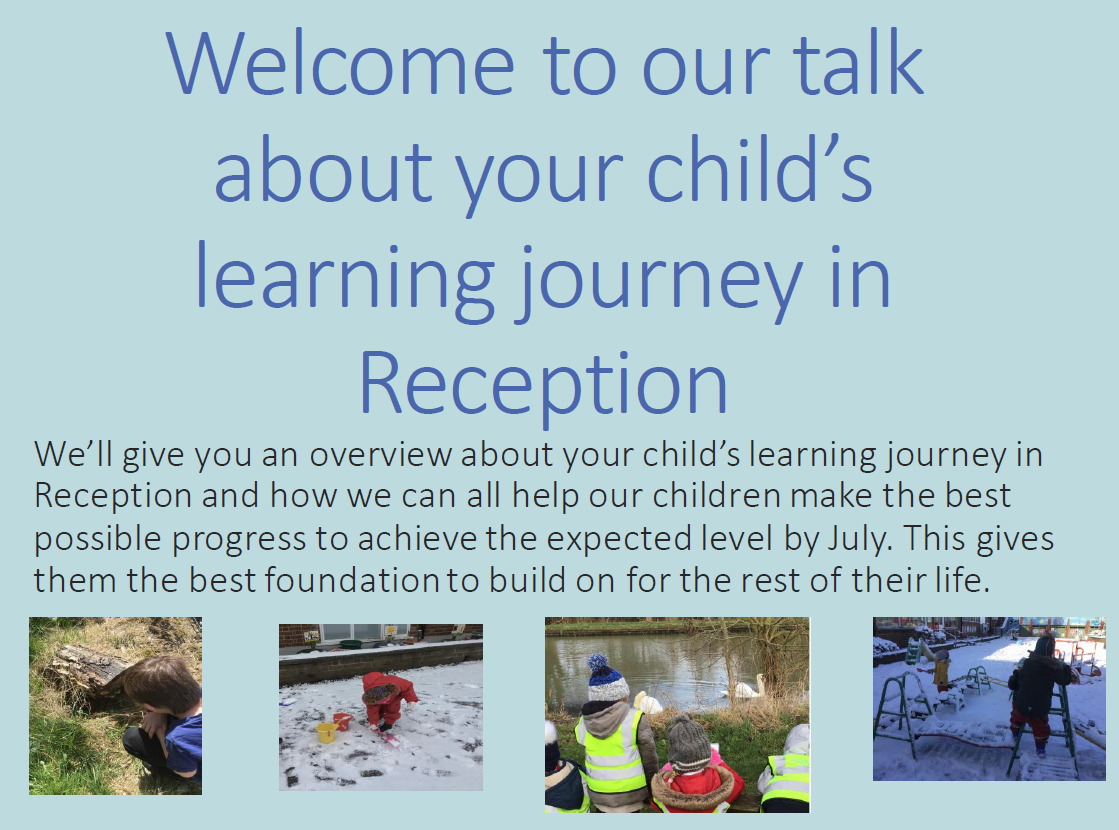
All about Reception. What to expect
|
|
|
|
|
|